
New highway code rules from 1 October: what changes for motorbikes, scooters, bicycles and cars
Gloves and closed footwear on motorbikes, helmets and age limits for e-scooters, overtaking cyclists… Everything changing in the highway code on 1 October, expl
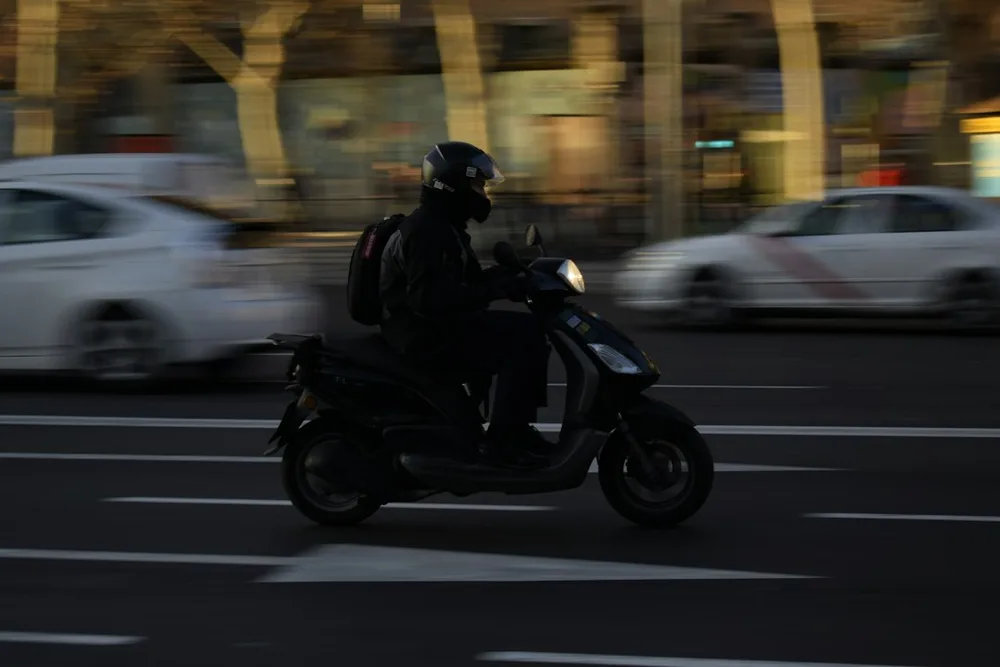
On 1 October, Royal Decree 518/2026 comes into force, updating the General Traffic Regulations. It is one of the most wide-ranging sets of changes in recent years, with a clear common thread: protecting those most exposed on the road. For the first time, the regulations define vulnerable road users: pedestrians, cyclists, motorcyclists and electric scooter riders, as well as minors, elderly people and those with disabilities.
On the Costa del Sol, this is particularly relevant. We share the road with thousands of motorbikes and cyclists all year round, scooters are now a familiar sight along the seafront and in town centres, and delivery riders are a constant presence. Here we look at what is changing, who it affects, and — most importantly — why: understanding the reason behind a rule is the best way to comply with it.
Motorbikes: gloves, closed footwear and hard shoulders in traffic jams
- Protective gloves compulsory on interurban roads. A ministerial order will set out the technical specifications they must meet.
- Closed footwear compulsory on all roads, including in towns and cities. Flip-flops and sandals on a motorbike are now a thing of the past.
- A £200 fine for failing to comply with either of these two requirements.
- Use of the right-hand hard shoulder during traffic jams, only on sections signposted for this purpose and at a maximum of 30 km/h.
- The requirement for helmets to be fully type-approved (not merely certified) is delayed by one year, until 1 October 2027.
Why it matters: in a fall, the hands almost always hit the ground first — pure instinct. Without gloves, a low-speed tumble can result in abrasion burns or fractures that take months to heal. Much the same applies to feet: the ankle and foot are extremely vulnerable in any contact with the road surface, with the vehicle itself, or when putting a foot down during braking. In Marbella it feels like summer almost all year round, and the temptation to ride "cool" is strong — but a pair of lightweight gloves and some closed shoes make all the difference.
Electric scooters: 15 years old, helmets and high-visibility vests
- Minimum age of 15 to ride an electric scooter. If the rider is under age, their parents or guardians are liable for any fine.
- Helmet compulsory.
- High-visibility vest or garment required at night or in poor visibility. Anyone using a scooter for work — for example, for deliveries — must wear one at all times.
- Failure to use compulsory protective equipment is classed as a serious offence, carrying a fine of £200.
- Lights on at all times will not become compulsory until 1 October 2027.
Why it matters: scooters have small wheels and a high centre of gravity, meaning a kerb, a pothole or a wet drain cover is enough to lose your balance. In such falls, the head is the most exposed part of the body. The high-visibility vest addresses a very specific problem: a scooter is narrow, silent and sits low to the ground — at night, a driver sees it very late.
If you want to know what other obligations already apply to scooters in 2026, we cover them in electric scooters: what changes and what doesn't in 2026.
Cyclists: helmets on roads and more space when overtaking
- Helmet compulsory on interurban roads, without exception. The exemptions that previously existed (long climbs, medical reasons, etc.) are abolished.
- To overtake a cyclist, drivers must reduce their speed by at least 20 km/h below the road's speed limit and leave a lateral gap of 1.5 metres. On roads with multiple lanes in the same direction, drivers must change lanes entirely.
- In towns and cities, cyclists must ride in the centre of the lane, and the vehicle behind must maintain a distance of at least 5 metres.
- Local councils may permit two-way cycling on single-lane streets with a 30 km/h limit, provided appropriate signage is in place.
- Those who cycle as part of their work (delivery riders) must wear a helmet and high-visibility vest at all times, with a £200 fine for non-compliance.
Why it matters: when a vehicle passes close to a bicycle, the displacement of air — particularly from a van or lorry — can destabilise the rider. Reducing speed and leaving one and a half metres gives the cyclist room to react to a pothole or a gust of wind. Riding in the centre of the lane in built-up areas — which surprises many drivers — has its own logic: it prevents tight overtaking manoeuvres within the same lane and keeps cyclists away from the doors of parked cars, one of the most common causes of falls in urban areas.
Cars and other drivers
- Seatbelts for everyone. Exemptions for taxi drivers, driving instructors and delivery drivers are removed. The only remaining exemption is for ambulance occupants receiving medical assistance.
- Vehicles stopped on the road (breakdowns, recovery trucks, emergencies): when overtaking, drivers must reduce speed by 20 km/h and leave a gap of 1.5 metres.
- Emergency corridor in motorway traffic jams: vehicles in the left-hand lane move to the left, those in all other lanes move to the right, leaving a clear central passage for ambulances, fire engines and police. We explain this in detail in the lane that can save lives.
- Snow on motorways: overtaking is prohibited. Drivers must use the right-hand lane; the left-hand lane is reserved for snowploughs and emergency services.
- Motorhomes: when parked, they may not extend any elements beyond their own perimeter (awnings, tables, chocks), must rest on their wheels only, and may not discharge liquids.
In towns and cities: traffic lights and school routes
- Flashing amber alongside pedestrian green is being phased out. As a general rule, vehicle traffic lights may no longer show a flashing amber signal while the pedestrian crossing signal is green. This overlap was creating many hazardous situations at junctions.
- School routes given legal recognition. These are defined as routes adapted by local councils to enable children to walk, cycle or use public transport to school safely.
Before 1 October: a quick checklist
- If you ride a motorbike: keep gloves in the storage compartment and put away the flip-flops.
- If there is a scooter at home: helmet for whoever uses it, a high-visibility vest for night-time journeys, and be mindful of the age limit if your children ride it.
- If you cycle on roads: always wear a helmet.
- If you drive: reduce your speed by 20 km/h and leave one and a half metres when overtaking cyclists or stationary vehicles, and move aside to open the emergency corridor in traffic jams.
Most of these rules do not introduce anything new: they put into law what the most careful drivers are already doing. The aim is fewer accidents and, when they do occur, less serious consequences. That is in everyone's interest, whether we travel by car, motorbike, bicycle or on foot.
If you have any questions about how these changes affect you, or would like to review your motorbike insurance or your scooter insurance, the team at Segurmar is happy to help with no obligation.
Paying too much for your vehicle insurance? Message us and we'll compare it with you.
We're independent insurance brokers in Marbella. We compare the best options for you at no cost.
Would you rather we reviewed the policy you already have? Review my policy