
Glass and worktop breakage cover in home insurance
Does your home insurance cover broken glass, worktops and sanitaryware? We explain the small print from Marbella. Contact us for free advice.
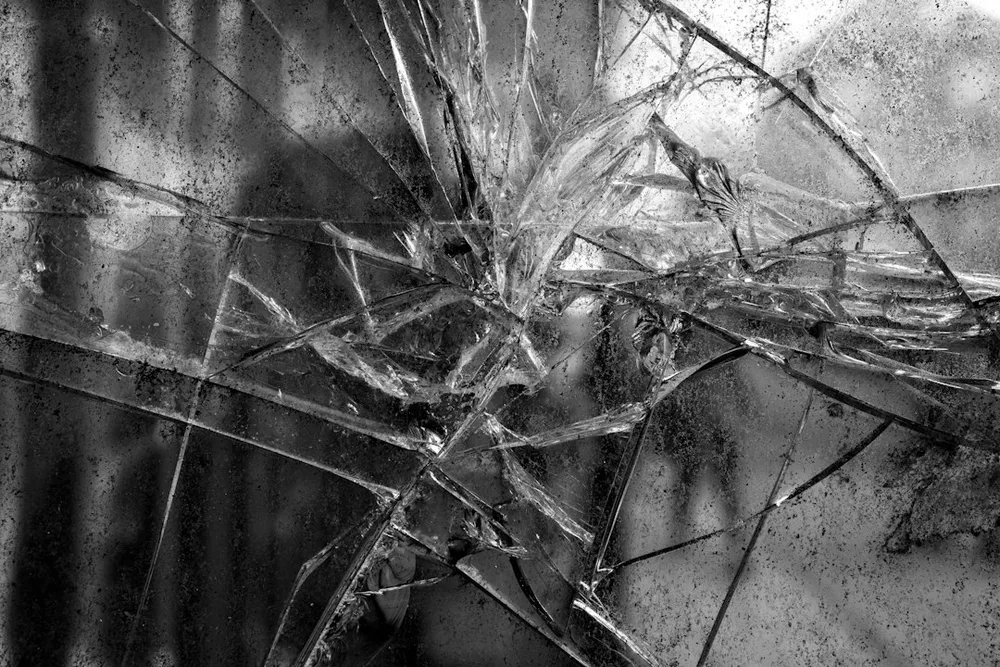
Imagine you are making breakfast in your Marbella kitchen and accidentally drop a heavy frying pan onto the marble worktop. A crack, a clean split running from one side to the other. Or perhaps you arrive home on a Monday evening to find the shower screen shattered for no apparent reason. This is precisely where glass breakage cover for worktops and sanitaryware comes in: a home insurance guarantee designed exactly for these kinds of nasty surprises.
What does glass, worktop and sanitaryware breakage cover actually include?
This guarantee covers the accidental breakage of fragile fixed elements in the home: panes, mirrors, window glass, glazed doors, shower screens, kitchen worktops, and sanitaryware such as washbasins, baths and toilets. Essentially, anything that can shatter without warning and that you have no way of predicting or preventing.
The principle is straightforward: if something that forms a fixed part of your home breaks accidentally, the policy may meet the cost of replacement. We say "may" because, as you will see shortly, there is quite a lot of small print worth understanding before you assume any given incident is covered.
What do people think is covered that actually is not?
Many people assume that if they have a home insurance policy in place, any broken glass or worktop will automatically be covered. This is the most common misunderstanding: in some policies, this guarantee is entirely optional and must be specifically taken out.
The unpleasant surprise arrives when the damage actually happens. If you have not selected that cover on your policy, there is no payout. Simple as that. For this reason, before assuming that "your insurance covers everything", it is worth opening the document and checking.
Another frequent source of confusion: people believe that if a pane of glass is broken during a burglary, it will be paid under the theft guarantee. That is not always the case. In a good number of policies, the theft guarantee expressly excludes damage to panes and glass panels and redirects these to this specific guarantee. If you have not taken it out, that damage is left uncovered.
The same applies to weather events: in many policies, damage caused by wind or hail to glass is not picked up by the general atmospheric perils cover, but by this specific guarantee. Without it, a pane broken by the wind during a stormy night on the Costa del Sol may be left uninsured — even if you have "full atmospheric cover" in place.
What about stone worktops?
Granite, marble or quartz worktops are among the most expensive elements to replace and, for precisely this reason, they tend to come with the most tightly worded small print. Some policies include a maximum limit for stone worktops within the basic cover that may fall well below the actual replacement cost — around €500, depending on the policy wording — and to cover the true value of the piece you may need to take out a higher level of cover or a specific extension.
If you have a Silestone or marble worktop that could easily cost €2,000 or €3,000, it is essential that you know exactly what limit your policy applies. A sub-limit — that is, a partial cap within the guarantee — could leave you paying the bulk of the bill out of your own pocket.
When does cover apply and when does it not?
Cover generally applies when the breakage is accidental and sudden. Examples that are typically covered:
- A window pane that breaks following an unexpected impact.
- A bathroom mirror that falls from the wall and shatters.
- A shower screen that cracks for no visible reason.
- A kitchen worktop that splits after receiving a heavy blow.
- A washbasin or toilet that breaks accidentally.
Examples that are typically excluded:
- Breakage due to wear and tear, continuous use or poor installation.
- Cracks or scratches that do not involve complete breakage.
- Damage caused during building works or a refurbishment of the property.
- Non-fixed items: a glass-topped table, for example, is usually excluded unless it is specifically listed.
- Breakage that existed before the policy was taken out.
What each contract includes or excludes may vary, so the examples above are intended as a guide. Your specific policy wording is what governs.
Are there different levels of cover for the same guarantee?
Yes, and this is something very few people check. In some policies, the glass breakage guarantee is split into levels — for example, basic and extended — and may also apply differently depending on whether it relates to the building (the structure and fixed elements) or the contents (the moveable items within the home). A built-in shower screen may fall under one level; a decorative mirror, under another.
If you have this type of policy, it is worth calling your broker to have them explain exactly which combination you have in place. Do not assume — it needs to be confirmed in black and white.
What does the law say if the insurer is slow to pay?
One more thing worth knowing: if you report the damage and the insurer takes its time resolving the matter, the law is on your side. Article 18 of the Insurance Contract Act requires the insurer to pay, as a minimum, the minimum amount it may owe within forty days of receiving the claim notification — the technical term for the report of the loss. And if three months pass without payment, interest begins to accrue in your favour.
That said, for this time limit to start running, you must report the damage. Under Article 16 of the same Act, you have a maximum of seven days from the moment you become aware of the incident to notify it, unless your policy sets a longer period. Do not leave it until later.
What to check in your policy before anything happens
- Is the guarantee in place? Look in the particular conditions to see whether "glass breakage", "panes" or "sanitaryware" appears as active cover. Do not take it for granted.
- Is it optional or included as standard? If you are unsure, ask your broker directly.
- What limit applies to stone worktops? If you have a marble or similar worktop, check whether a specific cap applies to that element. Compare that figure with what it would cost to replace it today.
- Which level of cover does it fall under? If your policy has tiers (basic, extended, comprehensive…), confirm which tier this guarantee sits in and whether it covers both the building and contents.
- What elements are expressly excluded? Read the list of exclusions for this guarantee: conservatories, decorative items, vehicle glass, ongoing building works… every policy has its own list.
- Is there an excess? Some policies apply an excess — an amount you pay yourself before the insurance kicks in — to this guarantee as well.
If you have any questions about your home insurance or would like to find out whether what you have in place genuinely covers what you think it does, the team at Segurmar will be happy to take a look — with no obligation whatsoever.
Not sure exactly what your home insurance covers? Message us and we'll review it with you.
We're independent insurance brokers in Marbella. We compare the best options for you at no cost.
Would you rather we reviewed the policy you already have? Review my policy